


Introduction: Understanding the Need for Personal Protection

Engaging in outdoor activities such as training runs in various environments—from serene mountain trails to bustling urban parks—can significantly enhance physical health and mental well-being. However, with these outdoor experiences comes an increased awareness of safety concerns. Individuals often find themselves vulnerable to possible attacks, whether from aggressive animals or malicious persons. Therefore, understanding the critical importance of personal protection during these activities is essential.
As the popularity of outdoor training activities grows, so does the need for effective strategies to ensure safety. Many individuals enjoy running as a way to exercise, reconnect with nature, and relieve stress. Yet, reports of assaults or animal encounters are troubling reminders of potential dangers. It is crucial to adopt a proactive approach towards safety and preparedness to enjoy outdoor adventures without fear.
This highlights the importance of utilizing various measures for personal protection. Innovative solutions, such as Byrna products that enhance individual safety during outdoor engagements, can empower runners to take charge of their well-being. Whether one is enjoying a solitary training run or walking a dog, the integration of personal protection tools can significantly mitigate risks. By ensuring that they are equipped with the right resources, outdoor enthusiasts can focus on their activities without undue concern.
The essence of outdoor activity is surely about enjoying nature and staying physically active, yet one must also prioritize safety. Activating a mindset centered on being alert and prepared augments the overall experience. In this discussion, we will explore the various protective measures and tools available, emphasizing the importance of remaining vigilant while engaging in outdoor pursuits. Ultimately, the goal is to encourage everyone to run safe and be safe, making the most of their outdoor experiences without fear or anxiety.
The Growing Threats: Statistics and Real-Life Stories
Engaging in outdoor activities like running and hiking not only fosters physical fitness but also enhances mental well-being. However, as these activities gain popularity, they also attract unwelcome risks. Statistics reveal a troubling reality: the National Park Service has reported an increase in incidents of personal attacks within urban parks and trails. In 2021 alone, there were more than 1,200 reported assault cases in park areas, with many occurring during early morning or late evening training runs.
Real-life examples serve as stark reminders of these potential dangers. In one notable case, an avid runner was attacked while jogging through a local nature reserve. Despite her commitment to fitness, she was unprepared for the encounter, highlighting the unpredictability of running in less populated areas. Stories like these may seem isolated, but they underscore a growing trend: attacks on individuals, particularly women, while engaging in outdoor activities are disturbingly common.

Moreover, according to a survey conducted by the Outdoor Foundation, 42% of outdoor enthusiasts expressed concerns over safety during their excursions. The fear extends beyond physical attacks; potential threats include animal encounters, environmental hazards, and accidents. Therefore, individuals planning a training run or a peaceful hike must equip themselves with personal protection methods—devices like Byrna personal protection tools have emerged as viable options for those looking to enhance their safety on outdoor excursions.
While the beauty of nature beckons us to run and explore, remaining vigilant ensures that our outdoor experiences are enjoyable and safe. Awareness of the rising incidents and adopting protective measures can empower individuals to enjoy their training runs without fear. The necessity for personal protection during outdoor activities cannot be overstated, and the stories of real-life experiences remind us of the importance of being prepared and staying alert.
When engaging in outdoor activities such as running, it is crucial to assess your personal risk level to ensure your safety. Various factors influence your vulnerability to potential threats, and understanding these can help you take necessary precautions during your training run.
Firstly, the location where you choose to run plays a significant role. Urban areas may present different risks compared to rural settings. Busy streets or isolated paths can heighten the likelihood of encountering unsavory individuals or situations. Therefore, identifying safe routes that are well-lit and populated can contribute to your overall security during your run. Always consider checking local crime reports or speaking with fellow runners about safe locations.
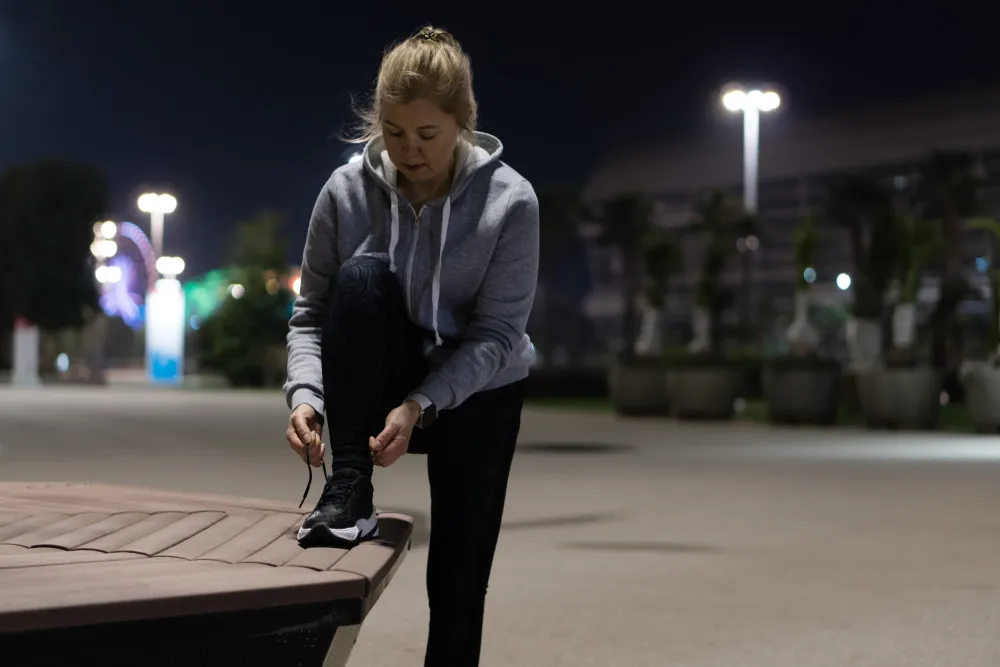
Secondly, the time of day affects your level of safety. Running during daylight hours provides increased visibility, which can deter potential threats. Conversely, late-night or early-morning runs may expose you to danger, as fewer people are around to assist in case of emergency. If you prefer these times, utilizing personal protection tools, such as Byrna devices or self-defense keychains, might be prudent.
Additionally, the level of solitude can impact your risk; running alone can reduce your immediate support network and increase vulnerability. Participating in group runs or training sessions can provide companionship and offer an additional layer of security. Understanding your comfort level with solitude is crucial in your risk assessment.
The environment also plays a vital role in determining safety risks. For instance, natural terrains may pose physical hazards such as uneven ground, while more remote areas can decrease immediate access to help if needed. Be aware of your surroundings and the aspects that might make your run less safe.
In conclusion, assessing your risk level enables you to make informed decisions about your running routes and techniques for personal protection. By considering the location, time of day, solitude level, and environment, you can enhance your ability to run safe and be safe while enjoying outdoor activities.
Options for Personal Protection: A Comprehensive Overview
When engaging in outdoor activities such as running or hiking, it is crucial to prioritize personal protection. There are various types of personal protection devices available, categorized based on their effective range: close-range, mid-range, and long-range options. Each category serves different scenarios, ensuring that individuals can choose according to their specific needs.
Close-range options typically include devices designed for immediate self-defense situations. Products like personal alarms and pepper spray fall within this category. These tools are intended to incapacitate an attacker temporarily, allowing the individual to escape safely. For runners who often find themselves in isolated areas, carrying such items can significantly enhance their sense of security and help them run safe.
Mid-range options offer a balance between defensive capability and versatility. Items such as the Byrna, a non-lethal launcher that can shoot projectiles to deter threats, provide a reliable means of personal protection. This type of gear is particularly beneficial for those who may encounter wildlife or aggressive individuals during their training runs, allowing them to respond effectively while minimizing harm.
Long-range options cater to individuals who prefer a more substantial defense mechanism. These might include batons or specialized self-defense tools that enable a user to maintain distance from a potential aggressor. While such gear often requires more training and knowledge of self-defense tactics, they can provide significant peace of mind for outdoor enthusiasts.
Ultimately, the importance of having multiple personal protection options cannot be overstated. Different situations may call for varying responses, making it essential for those participating in activities like running to be prepared. By equipping oneself with a range of personal protection devices, individuals can enhance their confidence and ultimately be safe while they enjoy their outdoor training runs.
Close-Range Protection: GoGuarded Products
When engaging in outdoor activities such as running, ensuring personal protection is paramount. GoGuarded offers a variety of products designed for close-range self-defense, providing peace of mind during your training run or any outdoor adventure. Among the most notable are the popular ring knife, handheld pepper spray, and stun devices, each offering unique features suitable for a range of scenarios.

The GoGuarded Ring Knife is a practical tool that combines accessibility with efficiency. It can be worn on your finger, making it easy to keep close at hand without occupying a significant amount of space or weight in your gear. To use the ring knife effectively, familiarize yourself with its grip and deployment method. Remember to maintain an awareness of your surroundings, as using this product requires not only physical readiness but also mental preparedness to react swiftly if needed.
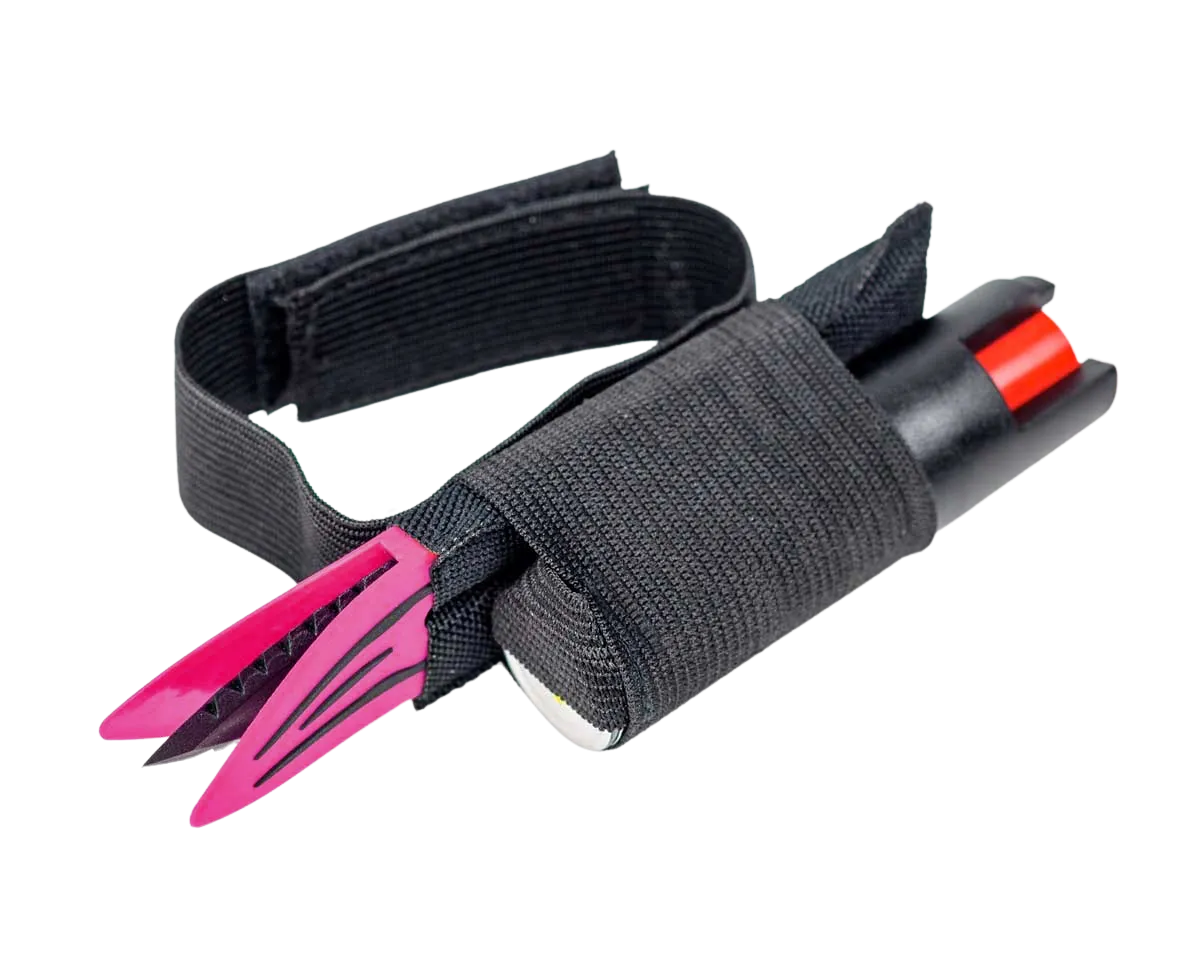
Handheld pepper spray is another effective option for personal protection. This compact device can be easily carried during running stints, allowing users to deter potential threats with a simple pull of the trigger. It is essential to practice how to unleash the spray in a controlled manner while ensuring the wind direction is favorable. This product not only offers a non-lethal solution for self-defense but also promotes a safer running experience, alleviating worries about potential attacks.
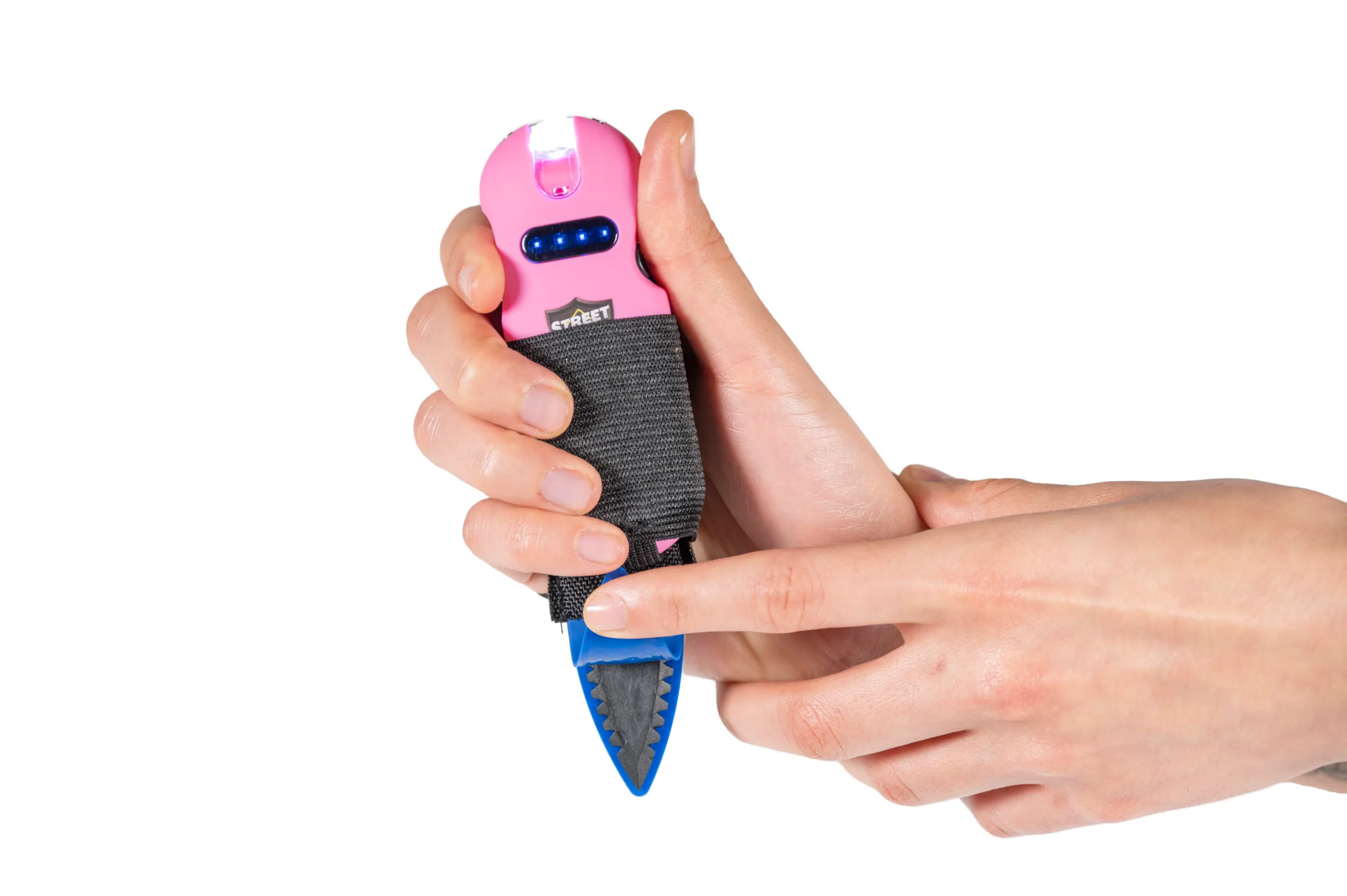
Lastly, stun devices from GoGuarded offer a powerful deterrent against close-range threats. They produce a high-voltage shock to immobilize an attacker temporarily. To maximize the effectiveness of a stun device, it is essential to understand its range and ensure proper aiming techniques. As with all personal protection tools, it is crucial to know when to employ these devices judiciously and responsibly to ensure your safety while enjoying outdoor activities.
Mid-Range Protection: Byrna Duo Pack and CL Launcher
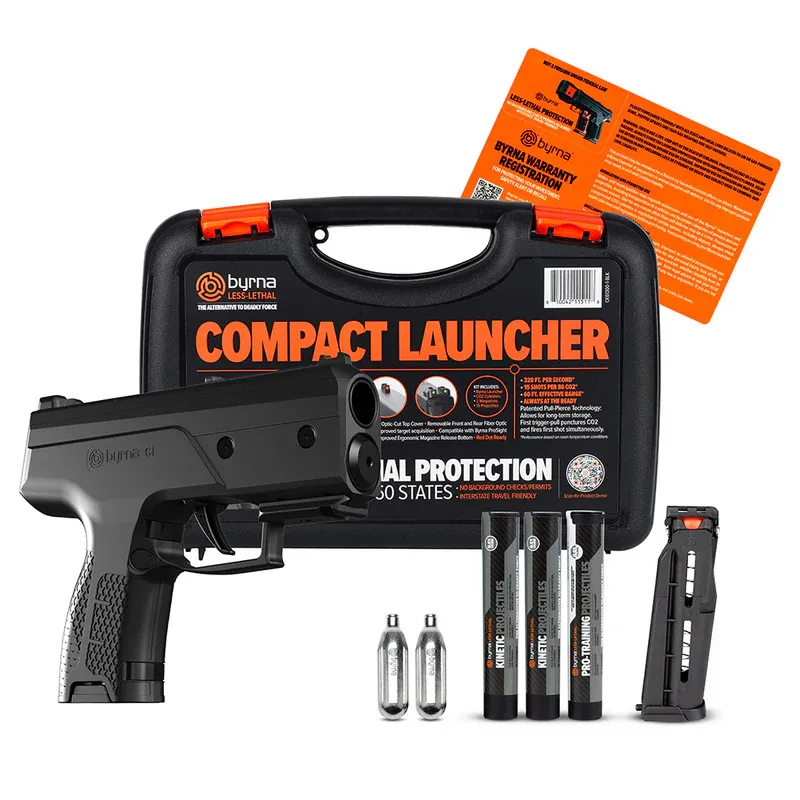
When engaging in outdoor activities such as running, it is essential to consider personal safety as a priority. Mid-range protection options like the Byrna Duo Pack and the Byrna CL Launcher serve as effective solutions for individuals who seek a balance between safety and mobility, particularly during training runs or other outdoor excursions.
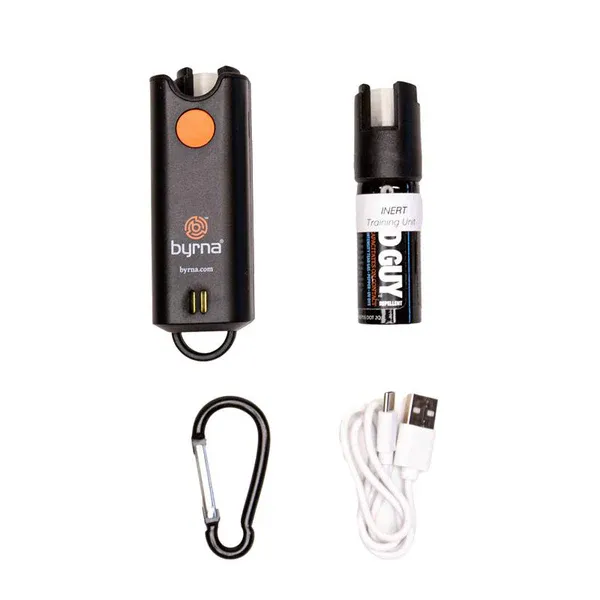
The Byrna Duo Pack is designed to provide users with a compact yet powerful means of self-defense. This kit includes the Byrna HD launcher, which utilizes projectiles designed to incapacitate potential threats without causing permanent harm. The integration of this technology allows users to maintain a reasonable level of safety while enjoying their running sessions. Its lightweight nature means that runners can easily carry it without hindering their performance or speed.
Furthermore, the Byrna CL Launcher serves as another viable option for personal protection. This launcher is equipped with advanced features that enable users to engage effectively in various situations. Its design ensures that it can be deployed quickly, allowing individuals to respond to unforeseen circumstances while on their training runs. The effectiveness of both devices lies in their non-lethal capabilities, providing peace of mind for outdoor enthusiasts who want to run safe.
Ultimately, investing in mid-range protection strategies such as the Byrna Duo Pack and CL Launcher can significantly enhance one’s safety profile during outdoor activities. These products are recommended for those seeking moderate engagement options, enabling users to be safe while remaining active and confident in their surroundings. By combining the thrill of outdoor athleticism with essential safety measures, individuals can enjoy their training runs without compromising their personal security.
Long-Range Protection: Enhancing Your Safety at a Distance
In outdoor activities, ensuring personal protection extends beyond physical readiness; it also necessitates proactive measures to maintain a safe distance from potential threats. To achieve this, individuals engaging in running or training runs can adopt various long-range protection strategies that not only prioritize their safety but also empower them with the knowledge needed to navigate risky environments effectively.
One approach to long-range protection is utilizing tools designed for non-lethal defense. One such option is the Byrna CL, which provides users with a powerful means to deter potential threats without the lethal force of a firearm. It allows individuals to maintain distance from aggressors while ensuring their personal safety is not compromised. Implementing non-lethal options such as these can enhance an individual’s confidence while participating in outdoor activities, assuring that they can run safe.
Moreover, maintaining situational awareness is vital. Keep an eye out for your surroundings during your training run, as this can help you identify potential threats from a distance. Understanding the environment is essential; for instance, using well-lit and populated running paths can serve as a deterrent against confrontations.
Engaging in defensive tactics, such as creating barriers and utilizing the urban landscape, can also assist in keeping an appropriate distance from potential risks. Knowing how to maneuver away from dangers if they approach can provide peace of mind and ensures that bystanders remain unaffected during a personal protection scenario. Thus, long-range protection not only focuses on personal safety but also considers the integrity of the surrounding community.
In conclusion, adopting a combination of strategic distance maintenance, non-lethal tools like the Byrna, and heightened awareness not only promotes personal safety during outdoor activities but also contributes to be safe in more challenging environments. By understanding and employing these techniques, individuals can enhance their capability to run safe while enjoying their training runs.
Creating a Personal Safety Plan: Steps to Take
Formulating a personal safety plan is a crucial step for anyone engaging in outdoor activities, such as running or training runs. This process involves several essential elements to ensure your safety while enjoying a healthy lifestyle. The first step is to enhance your situational awareness. This means being attuned to your surroundings and identifying potential issues before they become more significant threats. While running, take note of various factors, such as the time of day, the condition of the environment, and the presence of other individuals.
Next, establish clear communication strategies. Inform a trusted friend or family member of your running route and expected return time. This simple act of communication can significantly enhance your personal protection. In case of emergency, it is crucial that someone knows your whereabouts. Consider using a mobile application designed for outdoor enthusiasts, enabling real-time tracking and location sharing with emergency contacts.
Furthermore, familiarize yourself with the legal aspects of using personal protection devices, such as Byrna products, which offer various options for increasing personal security during outdoor exercises. Understand the regulations in your area regarding self-defense tools and ensure that you are equipped within legal boundaries. Make it a priority to research and educate yourself about your rights and the proper usage of such devices, thereby incorporating them thoughtfully into your training run routine.
Finally, integrate personal protection habits into your daily life. Establishing safe running practices, such as choosing well-lit paths and wearing reflective gear, can help reduce risks associated with outdoor activities. By taking these proactive steps, you can enhance your overall safety and enjoy your running sessions with a greater sense of security, enabling you to focus on your fitness goals.
Conclusion: Taking Action for Your Safety
Engaging in outdoor activities, such as running or training runs, can enhance both physical and mental well-being. However, to fully benefit from these experiences, it is critical to prioritize personal protection. Understanding the potential risks associated with outdoor exercises can empower you to take proactive measures for your safety. Whether you’re on a neighborhood sidewalk or hitting a remote trail, being aware of your surroundings is essential.
One effective way to ensure your safety during your runs is educating yourself about personal protection tools available in the market. For instance, devices like Byrna provide non-lethal means of defense that can help you feel secure while you run. Additionally, informing yourself about the specific areas in which you plan to run can significantly reduce risks associated with the environment. Make sure to choose well-populated areas with good visibility.
Moreover, it’s vital to practice safety habits consistently. This includes running with a buddy whenever possible, carrying your phone for emergency contact, and staying on well-lit paths. Implementing these measures not only enhances your personal safety but also fosters a sense of community amongst other runners. In this way, you can encourage a culture of awareness and preparedness in your local running groups.
Ultimately, by taking these simple yet effective steps, you can ensure that your training runs are both enjoyable and safe. Empower yourself through knowledge and be proactive in safeguarding your experiences. Remember, personal protection is not just about having tools at your disposal; it’s about being prepared, aware, and ready to take action in any situation you might encounter.